
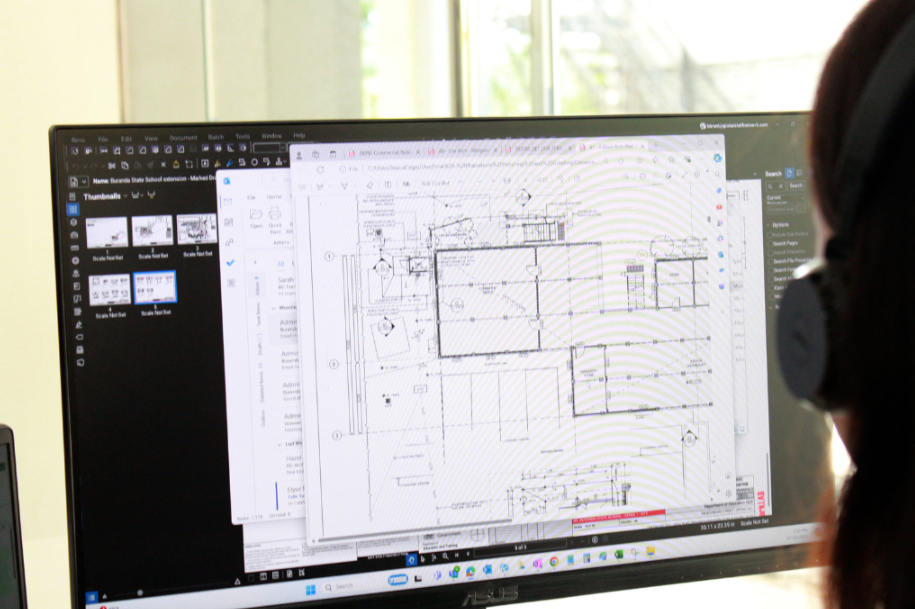

Construction projects rarely slow down.
Tender deadlines, design changes, and contractor coordination often happen simultaneously. For many construction firms, estimating becomes a bottleneck — not because teams lack capability, but because workloads fluctuate faster than internal resources can expand.
This is where offshore estimating has become an operational solution for many construction businesses. When implemented correctly, offshore support does not interrupt project timelines. In fact, it often protects them.
The key lies in how the offshore team integrates into existing workflows.
Why Estimating Capacity Becomes a Pressure Point
Estimating is one of the most resource-intensive parts of construction operations.
Accurate take-offs require time, concentration, and deep understanding of project documentation. Yet estimators are frequently balancing multiple tenders at once.
Common challenges include:
- High tender volumes arriving simultaneously
- Internal estimators pulled into meetings and site discussions
- Short turnaround times for bid submissions
- Limited ability to scale estimating teams quickly
These pressures often lead firms to explore offshore estimators as an extension of their estimating department.
When structured properly, offshore support allows internal teams to maintain control while expanding capacity.
How Offshore Estimating Works Without Slowing Projects
One misconception around outsourcing is that it introduces delays or communication gaps.
In reality, experienced offshore professionals can integrate directly into existing estimating workflows.
This is why many firms now outsource construction estimating as a structured part of project delivery.
A typical workflow may look like this:
Onshore team responsibilities
- Scope interpretation
- Client communication
- Final bid strategy
Offshore estimating team responsibilities
- Quantity take-offs
- BOQ preparation
- Document organisation
- Supporting calculations
Because offshore estimators operate as part of the same process, timelines remain intact.
Instead of replacing the internal team, offshore professionals extend the estimating function.
The Advantage of Time Zone Continuity
One operational benefit of offshore estimating is the ability to maintain workflow continuity.
When an onshore team finishes for the day, offshore professionals may continue progressing documentation or take-offs.
This creates a continuous workflow cycle that can reduce tender preparation time.
For firms managing multiple concurrent projects, this extended productivity window can make a significant difference.
What Experienced Offshore Estimators Bring
The success of outsourcing often depends on the calibre of professionals involved.
Experienced offshore estimators commonly bring:
- Proficiency in estimating software and digital take-off tools
- Familiarity with international construction documentation
- Ability to interpret architectural and engineering drawings
- Structured workflow habits that align with onshore processes
At Global Staff Network, teams are built with professionals who already understand business environments and project expectations. This allows offshore staff to support onshore teams without adding management complexity.
When Construction Firms Turn to Offshore Support
Many construction companies begin exploring offshore estimating when:
- Tender volumes increase faster than internal hiring allows
- Senior estimators spend too much time on preliminary take-offs
- Estimating teams struggle to maintain bid turnaround times
In these situations, offshore support provides additional capacity while allowing internal leaders to focus on strategic decision-making.
Many firms exploring construction outsourcing services discover that estimating is often the most natural place to begin.
Maintaining Control While Expanding Capacity
One of the strengths of offshore estimating is that it preserves internal control.
Project strategy, pricing decisions, and client relationships remain with the onshore leadership team.
Offshore professionals focus on the technical groundwork that supports these decisions.
When structured correctly, this creates a balanced system where estimating teams can scale capacity without sacrificing quality or oversight.
The Role of Offshore Estimating in Modern Construction Teams
Construction firms today operate in an environment where project timelines continue to tighten.
Tender volumes increase, documentation becomes more complex, and project margins depend heavily on accurate estimating.
For many businesses, offshore estimating has evolved from a temporary solution into a long-term operational model.
By integrating experienced offshore estimators into active workflows, firms can expand their estimating capacity while keeping projects moving forward without disruption.
Considering Offshore Estimating for Your Team?
If you’re assessing whether offshore estimating could support your construction team, the best starting point is understanding how the structure would work within your existing workflow.
You can explore our approach to construction estimator outsourcing, or if you’d prefer to discuss your situation directly, you’re welcome to book a call when it suits your schedule.
No pressure — just a practical conversation about how construction businesses are expanding estimating capacity without disrupting project timelines.



0 Comments