
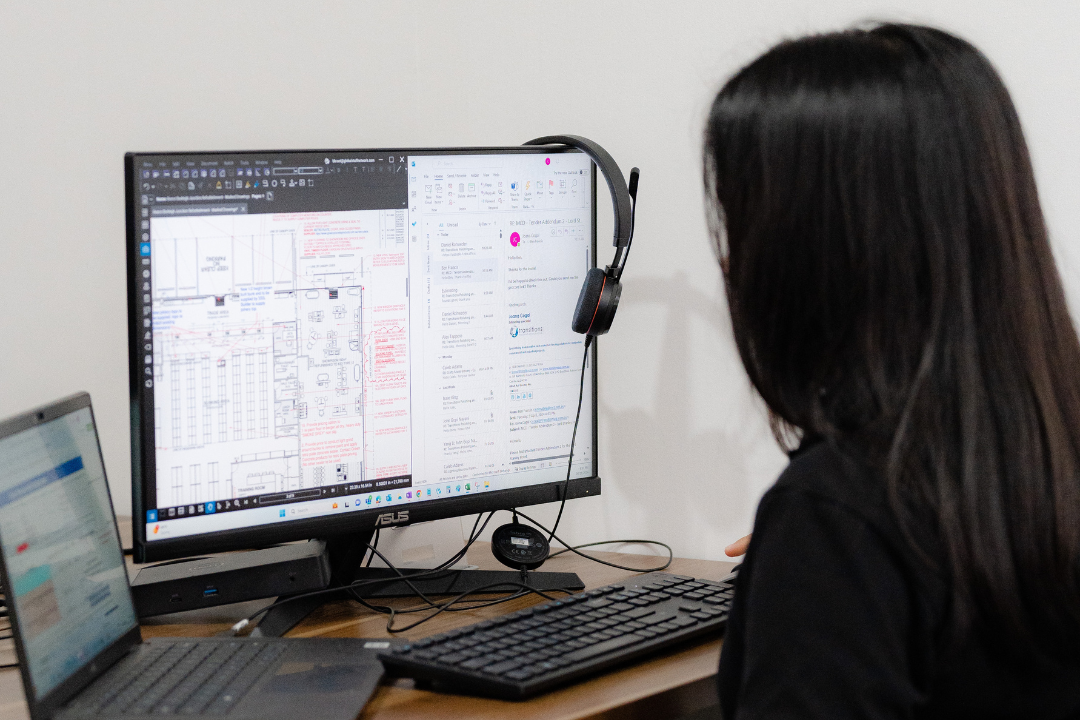

Construction teams rarely pause their operations to introduce new systems or expand their workforce.
Projects continue moving. Deadlines remain fixed. Documentation requirements increase as projects progress.
This means any additional support — including offshore professionals — must integrate directly into workflows that are already active.
For many construction businesses, integrating offshore professionals in the Philippines has become a practical way to expand operational capacity without disrupting ongoing projects.
Why Workflow Integration Matters
Construction workflows are interconnected.
Estimators support tender submissions. Engineers manage design documentation. Project managers coordinate schedules, contractors, and deliverables.
When new staff are introduced without clear integration, even small delays can affect the entire project timeline.
This is why many firms expand their teams by choosing to outsource AutoCAD drafting or introduce offshore professionals who can work within existing systems and documentation processes.
Rather than creating a separate team structure, offshore staff operate within the same project environment used by the onshore team.
Where Offshore Construction Staff Provide Immediate Support
One of the most common starting points for offshore support is drafting.
Construction documentation requires precision, consistency, and structured workflows — making it well suited for offshore integration.
Through AutoCAD drafting outsourcing, offshore professionals commonly support:
- preparation of architectural and engineering drawings
- updates to project documentation
- revisions during design changes
- documentation coordination across teams
By handling these structured drafting tasks, offshore professionals allow engineers and project managers to focus on higher-value responsibilities such as design decisions, client coordination, and project oversight.
How AutoCAD Outsourcing Fits Into Active Projects
Many construction firms begin expanding their teams through AutoCAD outsourcing.
This approach works because drafting tasks follow defined standards and documentation procedures.
Once offshore professionals are familiar with project workflows, they can contribute consistently without interrupting project timelines.
Typical integration includes:
- using the same drafting software and file standards
- working within existing document management systems
- communicating through the same project management platforms
- following the same revision and approval processes
This alignment ensures offshore professionals operate as part of the project team rather than external support.
Expanding Beyond Drafting
While many firms begin with drafting support, offshore construction teams often expand into additional operational areas.
Businesses exploring construction outsourcing services may gradually introduce offshore professionals into roles such as:
- documentation coordination
- project administration
- estimating support
- technical reporting
Over time, this structure allows companies to create a balanced team where leadership and project management remain onshore while operational support functions expand offshore.
The Role of Experienced Professionals
The success of offshore construction teams often depends on the experience level of the professionals involved.
Offshore staff who already understand construction workflows and professional standards are able to integrate far more quickly into active project environments.
At Global Staff Network, recruitment focuses on professionals who can support international construction teams confidently and consistently.
This reduces onboarding friction and ensures offshore professionals contribute to project workflows without increasing oversight for internal leaders.
Building Capacity Without Disruption
Construction companies operate in environments where project timelines rarely slow down.
Introducing new team members during active projects can be challenging unless integration is handled carefully.
By using structured roles such as AutoCAD drafting outsourcing, businesses can expand their teams without disrupting existing workflows.
Instead of reacting to capacity pressure, companies gain a stable structure that supports ongoing projects while allowing teams to scale as new opportunities emerge.
Subject Line Options
- Integrating Offshore Construction Staff Without Slowing Projects
- Where Offshore Drafting Fits in Active Construction Workflows
- How Construction Teams Expand Capacity Without Disrupting Projects
When Construction Workflows Can’t Pause
Construction teams rarely have the luxury of pausing projects to restructure how work gets done.
Drawings continue to evolve. Documentation grows. Engineers and project managers move quickly between design revisions and delivery deadlines.
Because of this, any additional support must integrate directly into the workflows that already exist.
In our latest article, “Offshore Construction Staff in the Philippines: Integrating Into Active Workflows,” we explore how construction companies expand their teams without disrupting ongoing projects.
One of the most common starting points is drafting support. Through AutoCAD outsourcing, offshore professionals can support structured drafting and documentation tasks while onshore teams focus on design decisions, coordination, and project leadership.
When offshore professionals operate within the same systems, documentation standards, and communication channels, they simply become part of how work moves through the organisation.
You can read the full article here.
Why Many Teams Begin With Drafting
Drafting and documentation are often the most structured parts of construction workflows.
Because of this, businesses frequently choose to outsource AutoCAD drafting as a first step in expanding their teams.
This allows companies to stabilise documentation workflows while engineers and project managers focus on higher-level project responsibilities.
Over time, many firms expand offshore teams across other functions through construction outsourcing services as project pipelines grow.
A Practical Approach to Scaling Construction Teams
The goal of offshore support is not to move leadership away from the core team.
Leadership, decision-making, and client relationships remain with the onshore business.
Offshore professionals support the operational work that keeps projects moving.
When structured properly, this approach allows construction teams to increase output without increasing pressure on internal staff.
If you’re curious how offshore professionals integrate into active construction workflows, you’re welcome to book a conversation with Brett when it suits your schedule.
No pressure — just a practical discussion about how construction teams are expanding capacity while projects continue moving forward.




0 Comments