


For many landscape contractors, the busiest pricing period arrives at the same time as the busiest delivery period.
Spring and summer bring commercial tenders, residential enquiries and builder packages, often in the same weeks that crews are fully booked on site. The person who prices the work is frequently the same person running jobs, managing suppliers and answering client calls.
When that happens, tenders get priced late at night, smaller enquiries go unanswered and some opportunities are declined simply because no one has time to quantify them.
This is why more landscape contractors are adding an offshore landscape estimator to their team: a dedicated person who prepares takeoffs and quantities so the business can respond to more tenders without pulling its most experienced people off site.
Landscape Estimating Scope
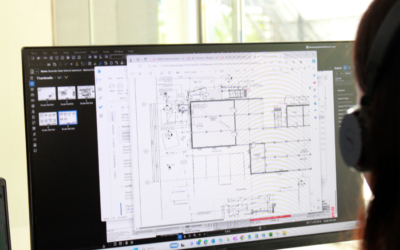
Dedicated estimating support keeps takeoffs moving while senior staff stay focused on project delivery and final tender decisions.
Landscape-Specific Estimating
What a Landscape Estimator Actually Does
Landscape estimating has its own logic. It is not simply general construction estimating with plants added. A landscape estimator works from landscape architect plans, civil drawings and specifications to quantify several different scopes, each with its own units, wastage allowances and supplier pricing.
Softscape
Trees, shrubs, groundcovers, turf, mulch and soil, including plant counts, areas and required quantities.
Hardscape
Paving, retaining walls, edging, steps, decking and other hard landscape elements measured by area, length or quantity.
Irrigation
Pipe runs, sprinklers, drip lines, controllers and valves quantified directly from the project drawings.
Drainage
Drainage pits, agricultural pipe and subsoil drainage measured from civil and landscape plans.
Earthworks
Excavation, fill, imported soil and site preparation measured as quantities and volumes.
Structures & Features
Pergolas, fencing, water features, lighting and other constructed landscape elements included in the tender.
Landscape projects often combine several different scopes in one package. The estimator's job is to measure those elements consistently before rates, labour, wastage and margin are applied.
When Pricing and Delivery Peak Together
Why Tender Season Creates an Estimating Bottleneck
Landscape work is seasonal in a way that many trades are not. Planting windows, weather and building handovers can concentrate demand into a relatively short period.
The result is a familiar problem: the same senior people needed to deliver current projects are also expected to price the next round of work.
The cost is not only the tenders that are missed. It is also the tenders won on rushed numbers, where quantities were estimated instead of properly measured.
Several opportunities can land at once, each with its own drawings, specifications and deadline.
Landscape pricing may be required quickly as part of a larger construction tender package.
The owner or supervisor may be solving delivery issues while tenders wait to be measured.
Measurement work gets pushed into evenings or completed under deadline pressure.
Smaller or lower-priority opportunities may be skipped simply because there is no time to price them.
The business can only pursue as much new work as its current estimating capacity allows.
A Dedicated Tender Workflow
Where an Offshore Landscape Estimator Fits
An offshore landscape estimator works as a dedicated member of the contractor's team, usually taking ownership of the measurement and quantification stage of each tender.
This is a practical example of how construction outsourcing services can add capacity without removing final commercial control from the contractor.
Tender Received
Builder, architect or client sends the tender package.
Plans Shared
Drawings and specifications are assigned to the estimator.
Takeoff Completed
The offshore estimator measures the required landscape elements.
Quantities Prepared
Quantities and draft pricing information are organised for review.
Senior Review
The owner or senior estimator applies local knowledge, labour and margin.
Final Submission
The contractor approves the final price and submits the tender.
Owns the Time-Consuming Measurement Work
The estimator prepares takeoffs, quantities and draft pricing inputs so the tender is ready for senior review. This creates more capacity without requiring the owner to personally measure every plan.
Keeps the Commercial Judgment
The contractor reviews the quantities, considers site conditions, labour, supplier knowledge, risk and margin, then makes the final pricing and submission decision.
Keep Tender Measurement Moving While Senior Staff Focus on Delivery and Final Pricing
Global Staff Network helps construction and landscape businesses recruit dedicated offshore estimators who can work within existing takeoff software, templates and tender processes.
Define the Role Clearly
What the Offshore Estimator Can Own — and What Should Stay With the Contractor
Offshore landscape estimating works best when the role is defined around clear outputs. The estimator takes ownership of the time-consuming measurement and preparation work, while local site knowledge, commercial judgment and final pricing remain with the contractor.
What the Offshore Estimator Can Own
A typical scope can include the measurement, organisation and repeatable tender tasks that consume significant estimating time.
- Digital takeoffs from PDF plans using Bluebeam, PlanSwift or similar software
- Softscape schedules, including plant counts by species and pot size
- Hardscape areas and lineal measurements
- Irrigation and drainage quantities
- Earthworks and soil volumes
- Applying supplier rates from the contractor's current price lists
- Preparing tender summaries and inclusions and exclusions lists
- Maintaining a library of past tenders and rates for faster future pricing
What Should Stay With the Contractor
Certain pricing decisions depend on site knowledge, local labour conditions, supplier relationships and the contractor's own appetite for risk.
- Site inspections and assessment of access and ground conditions
- Crew productivity assumptions and labour allowances
- Margin and risk decisions
- Supplier negotiations
- Final approval of the tender price
- Client and builder relationships
This division keeps repetitive takeoff work away from senior staff without giving away the commercial decisions that depend on local knowledge and experience. It also reflects the broader principle behind offshore estimating as a leadership strategy .
Add Capacity Before Deadlines Cluster
Preparing for the Season Before It Starts
The best time to add estimating capacity is before tender season peaks, not during it. Starting early gives the new estimator time to understand how the business measures, prices and reviews work before deadlines become compressed.
This is especially useful for contractors planning to grow beyond what one owner or senior estimator can personally price. The same capacity principle applies across construction businesses, as outlined in our guide to how Australian builders add capacity .
Give them examples, templates, supplier information and review standards before tender volumes increase.
Provide examples of both won and lost tenders so the estimator can see how previous work was measured and priced.
Record the business's standard wastage allowances so quantities can be treated consistently.
Give the estimator access to current price lists for plants, materials and other regularly quoted items.
Agree on a consistent template for quantities, pricing notes, inclusions, exclusions and open questions.
Define expected turnaround times for small, medium and more complex tender packages.
Agree how drawing gaps, unclear specifications and pricing questions should be logged and escalated.
Within a few weeks, the estimator can usually work through standard residential and small commercial packages with limited supervision, while more complex projects remain subject to joint review.
Build Estimating Capacity Before Your Team Is Already Under Pressure
Global Staff Network helps contractors recruit dedicated offshore estimators who can learn existing templates, software, supplier rates and tender workflows before the busiest pricing period begins.
Protect Tender Quality
Accuracy Comes From Process, Not Speed
Adding estimating capacity is only valuable when the quantities can be trusted. The objective is not simply to produce takeoffs faster. It is to create a repeatable process that makes errors easier to identify before a tender is submitted.
Save Marked-Up Drawings
Keep the marked-up plans with every takeoff so the senior estimator can see exactly what was measured.
Use a Tender Checklist
Confirm that all softscape, hardscape, irrigation, drainage and other required elements were included.
Spot-Check Key Quantities
Have the senior estimator review important quantities rather than redoing the entire takeoff.
Review Won Jobs
Compare estimated quantities against actual quantities used on completed or active projects.
Maintain a Shared Rate Library
Keep supplier pricing and standard rates current so estimators are working from consistent information.
Comparing tenders, quantities and outcomes makes it easier to understand why work was won or lost and where estimating assumptions need to change.
Is the Role Right for Your Business?
When an Offshore Landscape Estimator Makes Sense
An offshore estimating role is most useful when the business already has a workable pricing method but lacks enough capacity to measure and prepare every tender on time.
For contractors already thinking about broader construction outsourcing services , estimating is often one of the clearest functions to separate into preparation and final local review.
If the business does not yet have consistent supplier rates or a standard method for pricing work, document that pricing approach first. An estimator needs a repeatable system to work within.
The owner or supervisor is doing most of the pricing at night after spending the day on site.
Opportunities fit the business, but there is not enough estimating capacity to price them properly.
Deadline pressure is forcing the team to rely on approximations rather than detailed takeoffs.
Commercial projects require more drawing review, measurement and tender preparation than current capacity allows.
Tender knowledge is concentrated in the owner or senior estimator and has not been documented for others to follow.
The business could pursue more suitable work if takeoff and estimating preparation were no longer the bottleneck.
Turn Every Tender Into Better Data
Build a Rate Library That Grows Over Time
One of the longer-term benefits of a dedicated estimator is a more structured rate library. Each tender can add useful information about materials, quantities and supplier pricing, making future estimates faster and more consistent.
Record current rates for common plants, landscape materials and regularly specified products.
Store the standard wastage assumptions used for different materials and project types.
Maintain typical installation rates per square metre, lineal metre or other relevant unit.
Keep pricing from similar residential, commercial and builder packages for future comparison.
Record when key rates change and why so future estimators understand the reason behind updates.
Use each completed tender to improve future pricing consistency and reduce repeated research.
Add Estimating Capacity Without Losing Control of Pricing Quality
Global Staff Network helps contractors recruit dedicated offshore estimators who can work within existing takeoff software, rate libraries, supplier pricing and review processes.
Plan Capacity by Tender Size
Typical Tender Turnaround Expectations
Setting turnaround expectations by tender size helps the estimator plan their week and helps the business decide which opportunities to pursue. The objective is not to force every tender into the same deadline, but to account for drawing quality, scope and complexity.
| Tender Type | Typical Scope | Planning Consideration |
|---|---|---|
| Small Residential | Single garden or courtyard with a limited number of landscape elements. | Often turned around quickly when the plans and specifications are clear. |
| Large Residential or Builder Package | Multiple landscape elements, including irrigation and hardscape. | Allow additional time for drawing queries and supplier pricing. |
| Commercial or Civil Landscape | Multiple drawings, detailed specifications and project staging requirements. | Plan a joint review with the senior estimator before the tender is submitted. |
Exact turnaround depends on drawing quality and project complexity. Agreeing expectations early prevents every tender from becoming an unnecessary last-minute priority.
Learn From Every Submission
Track Win Rates and Learn From Them
Once tenders are being submitted consistently, the next step is learning from the results. A simple tender register gives the contractor a clearer picture of which opportunities are worth pursuing and where pricing assumptions may need to change.
The goal is not just to submit more bids. Tracking outcomes helps the business focus its estimating effort on the project types and clients where it is most competitive.
Track how many tender opportunities arrive, how many are submitted and which ones the business chooses not to pursue.
Compare results across residential, builder, commercial and other project categories.
Where the information is available, compare your tender price with the winning bid to identify pricing patterns.
Compare estimated quantities against actual project requirements to improve future takeoffs and allowances.
More Tenders, Better Numbers
Landscape contractors win work on price and can lose money on poor quantities. A dedicated offshore landscape estimator can help on both fronts: more tenders submitted on time and more of them priced from measured takeoffs rather than educated guesses.
For contractors heading into a busy season, adding that capacity before the tenders arrive can make the difference between choosing the work you want and simply pricing whatever you have time for.
Frequently Asked Questions
Offshore Landscape Estimator FAQs
Common questions landscape contractors ask when considering dedicated offshore estimating support for takeoffs, quantities and tender preparation.
Learn how Global Staff Network can help you recruit a dedicated estimator who works within your existing software, rates and review process.
Outsource Estimating ServicesWhat does an offshore landscape estimator do?
An offshore landscape estimator prepares takeoffs and quantities from landscape and civil plans, covering softscape, hardscape, irrigation, drainage and earthworks. The contractor then reviews the numbers and sets the final price.
Can an offshore estimator price landscape tenders accurately?
Yes, when they work from the contractor's rates, wastage allowances and templates. Accuracy depends on a clear process, marked-up drawings and review by a senior estimator.
What software do landscape estimators use?
Many use digital takeoff tools such as Bluebeam or PlanSwift alongside spreadsheets or estimating software. The contractor's preferred tools and templates are usually adopted during onboarding.
What should the contractor keep in-house?
Site inspections, labour assumptions, margin decisions, supplier negotiations and final tender approval should stay with the contractor, as they depend on local knowledge and commercial judgment.
When is the best time to add a landscape estimator?
Before tender season peaks. Starting early gives the estimator time to learn the business's pricing approach before deadlines cluster.
Add a Dedicated Estimator Before Tender Work Starts Competing With Project Delivery
Global Staff Network helps construction and landscape contractors recruit dedicated offshore estimators who can support takeoffs, quantities, tender preparation and ongoing estimating systems.





0 Comments