


Many businesses are curious about offshore teams but remain unsure how the process actually works.
The idea of building an international team sounds complex at first. Questions often come up around hiring, integration, communication, and daily operations.
In reality, outsourcing to the Philippines is far more structured than most companies expect.
When implemented correctly, offshore professionals integrate into existing workflows and support onshore teams in a predictable and scalable way.
Understanding the process step by step helps explain why so many businesses are building global teams today.
Step 1: Identifying the Right Roles for Offshore Support
The first step is determining which roles are suitable for offshore integration.
Most businesses begin with functions that are structured, repeatable, and operational in nature.
These often include:
- customer support
- administrative coordination
- documentation preparation
- project support tasks
- technical back-office functions
For example, companies frequently begin with customer service outsourcing services to expand support capacity without overloading internal teams.
The goal is not replacing local staff.
It is creating additional capacity around key workflows.
Step 2: Building the Right Offshore Team
Once the role is defined, the next step is recruiting professionals who can integrate into the company’s operating environment.
Experienced offshore professionals already understand:
- professional communication standards
- workflow accountability
- working with international teams
- structured reporting systems
At Global Staff Network, recruitment focuses on professionals who can operate confidently alongside onshore teams.
This reduces onboarding friction and allows offshore staff to contribute quickly.
Step 3: Integrating Offshore Staff Into Existing Workflows
One of the biggest misconceptions about outsourcing is that offshore teams operate separately.
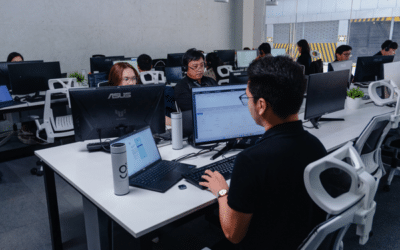
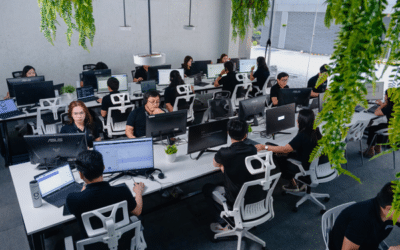
In practice, successful offshore teams work inside the same systems used by the onshore team.
This typically includes:
- shared communication platforms
- project management systems
- CRM platforms
- documentation workflows
Because of this integration, offshore professionals often function as a natural extension of the existing team rather than a separate external unit.
Companies exploring outsourcing to the Philippines often find that operational integration happens faster than expected.
Step 4: Establishing Clear Responsibilities
Strong offshore teams operate with clear responsibilities and accountability.
Each role has defined tasks, reporting structures, and performance expectations.
This clarity ensures that:
- workflows remain organised
- leadership retains visibility over operations
- teams maintain consistent output
When responsibilities are clearly structured, offshore professionals help stabilise operational capacity rather than create additional management overhead.
Step 5: Scaling the Team Over Time
Many companies start with one offshore professional.
As workflows stabilise, businesses often expand their offshore teams into additional areas such as:
- customer support
- administrative coordination
- finance support
- marketing operations
- technical documentation
Over time, this hybrid structure allows businesses to build scalable teams while maintaining leadership and strategy locally.
Why Many Businesses Choose the Philippines
The Philippines has become one of the world’s most established destinations for offshore professionals.
Several factors contribute to this:
- strong English proficiency
- internationally experienced professionals
- cultural familiarity with Western business environments
- well-developed outsourcing infrastructure
These factors make outsourcing to the Philippines a practical option for companies looking to expand operational capacity without disrupting internal teams.
A Practical Model for Modern Teams
Offshore outsourcing is not about removing responsibility from the business.
It is about strengthening the structure that allows teams to operate effectively.
When offshore professionals integrate into existing workflows, they help organisations maintain momentum while leadership focuses on strategy and growth.
For many businesses, outsourcing to the Philippines has become a long-term workforce model rather than a temporary solution.
Exploring Offshore Teams
If you are evaluating offshore teams, understanding how the structure works is the best place to begin.
You can learn more about outsourcing to the Philippines or explore how customer service outsourcing services help businesses expand support capacity.
If you prefer to discuss your situation directly, you can also book a conversation with Brett to explore how offshore teams integrate into existing workflows.



0 Comments