


For years, conversations about offshore staffing and outsourcing have focused on geography — where teams are based, which country offers the best talent, and how time zones align.
But as remote work and offshoring in the Philippines continue to mature, a clearer reality is emerging:
The companies that perform best don’t optimise for location. They optimise for how their offshore teams operate.
This shift in thinking changes everything — from hiring decisions to long-term scalability.
Why Geography Alone No Longer Determines Outsourcing Success
Location feels tangible.
It’s easy to compare labor costs, talent pools, and working hours across countries.
However, the biggest factor in outsourcing success isn’t where your team sits — it’s how work flows, decisions are made, and accountability is structured.
A strong offshore operating model defines:
-
How decisions are made and approved
-
Where responsibility and ownership sit
-
How tasks move from planning to execution
-
How problems are escalated and resolved
-
How performance and quality are monitored
When these elements are unclear, performance suffers — regardless of talent quality or geographic advantage.
Distance rarely causes failure on its own.
Poor operating design does.
Why Location-Based Outsourcing Often Breaks Down
Many companies start Philippines offshore outsourcing with assumptions that seem harmless at first, such as:
-
“They’ll figure it out as they go.”
-
“We’ll refine the structure later.”
-
“Great people don’t need strict systems.”
Initially, work moves forward. But over time, the same challenges tend to surface:
-
Decision-making bottlenecks
-
Inconsistent output and delivery
-
Leaders pulled back into day-to-day coordination
-
Growing inefficiencies as teams scale
The problem isn’t offshore talent.
It’s the absence of a clear operating rhythm and structured remote staffing model.
What High-Performing Offshore Operating Models Get Right
The most successful managed offshore teams don’t wait for problems to appear — they build structure early.
They prioritise:
-
Clear ownership instead of shared ambiguity
-
Defined escalation pathways instead of reactive problem-solving
-
Consistent leadership touchpoints instead of ad-hoc check-ins
-
Stable workflows and expectations that don’t shift week to week
-
Performance tracking systems that support continuous improvement
When these foundations are in place, collaboration becomes predictable, execution improves, and offshore teams scale with confidence.
This is where many traditional outsourcing arrangements fall short — hiring quickly, but leaving operational structure entirely to the client.
Why Operating Models Scale Better Than Geography
Geography doesn’t scale — operating systems do.
A well-designed offshore staffing model allows businesses to:
-
Add people without adding chaos
-
Maintain consistent quality as workloads grow
-
Reduce leadership strain as teams expand
-
Scale output without sacrificing performance
That’s why two companies can build offshore teams in the same region in the Philippines — yet experience completely different outcomes.
One invests early in how the team operates.
The other hires and hopes the system holds together.
Offshoring in the Philippines as a Long-Term Growth Strategy
For many businesses, offshore staffing in the Philippines is no longer just a short-term cost decision — it’s a core growth strategy.
However, long-term success depends on more than:
-
Hiring skilled offshore staff
-
Lower labor costs
-
Faster recruitment
It requires a scalable outsourcing operating model designed to support:
-
Business expansion
-
Increasing workload volume
-
Performance consistency
-
Sustainable leadership oversight
Without this foundation, offshore teams risk becoming harder to manage as they grow — instead of easier.
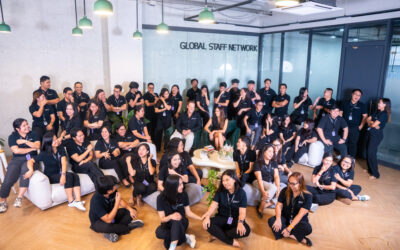
How Global Staff Network Builds Scalable Offshore Teams
At Global Staff Network, offshore staffing is designed around performance, structure, and long-term scalability — not just headcount or cost savings.
Each offshore team is built with:
-
Clearly defined roles, responsibilities, and accountability
-
Structured leadership and management frameworks
-
Communication cadence and reporting systems
-
Performance monitoring and continuous optimisation
-
Ongoing operational support as business needs evolve
The goal isn’t simply to hire offshore staff in the Philippines —
it’s to create high-performing remote teams that operate predictably and scale effectively.
By embedding structure from the start, businesses gain offshore teams that are stable, efficient, and aligned with long-term growth goals.
The Leadership Shift Required for Outsourcing Success
As distributed work becomes the norm, competitive advantage is shifting.
Not toward:
❌ Where teams are located
But toward:
✅ How offshore teams are designed to operate
The leaders who succeed in outsourcing stop asking:
“Where should we hire?”
And start asking:
“What operating model will still work when our business doubles?”
That question reframes the entire outsourcing conversation — and often determines whether offshore teams continue to perform or quietly struggle under scale.
Build Offshore Teams That Scale with Confidence
If you’re considering offshoring in the Philippines or looking to improve the performance of an existing offshore team, the key isn’t just hiring talent — it’s building the right operating model from the beginning.
Global Staff Network helps businesses design, build, and manage offshore teams that scale with clarity, structure, and performance.


0 Comments